
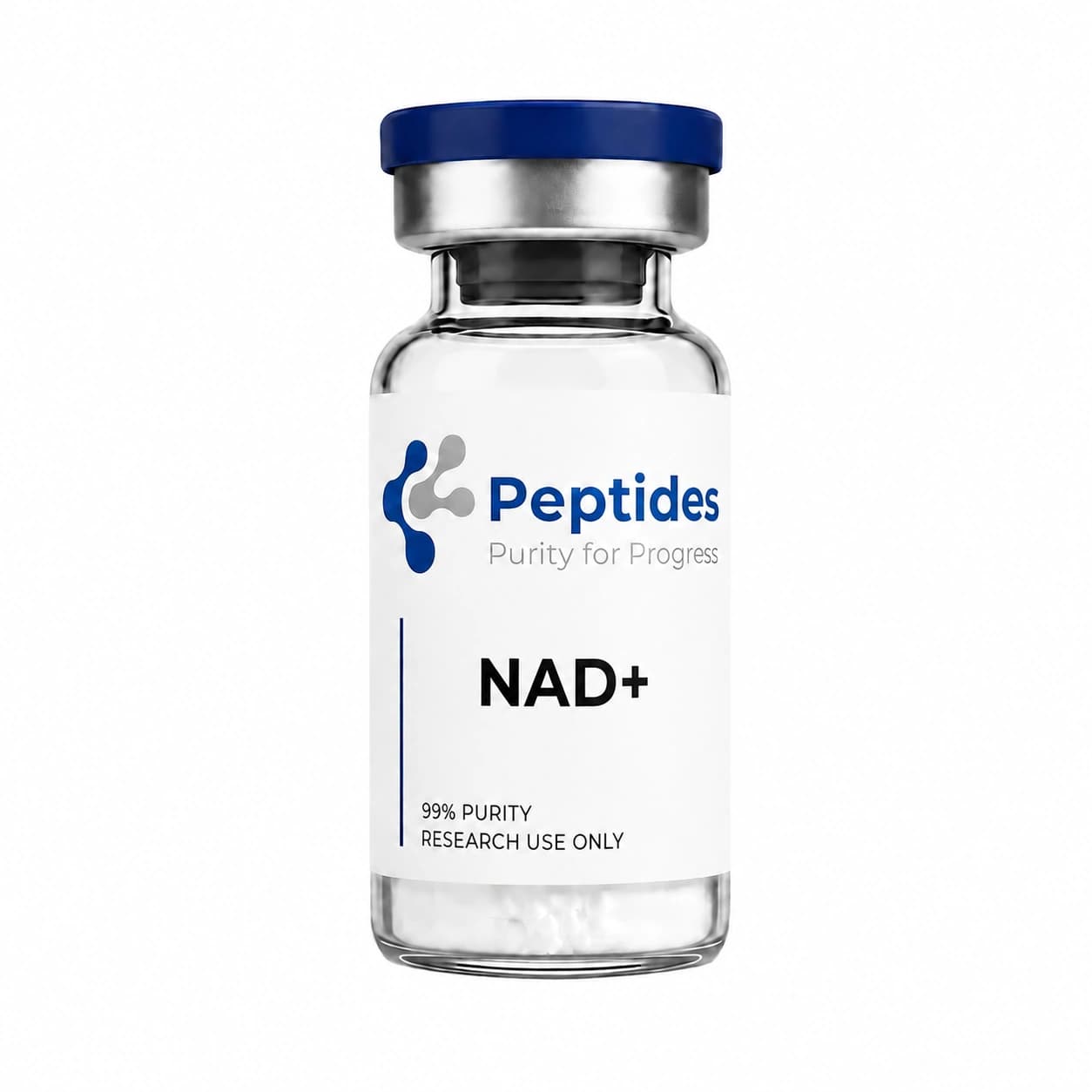
Buy NAD+ Research Compound
NAD+ is supplied as a lyophilised powder, independently HPLC and MS-UPLC tested to ≥98% purity.
Buy NAD+ Research Compound
NAD+ is supplied as a lyophilised powder, independently HPLC and MS-UPLC tested to ≥98% purity.
HPLC Verified
≥98% purity
Lyophilised
Powder format
Express Shipping
Cold-chain included
COA Available
Every batch
HPLC Verified
≥98% purity
Lyophilised
Powder format
Express Shipping
Cold-chain included
COA Available
Every batch
Same or Next Day Dispatch
Order before 12pm GMT for same-day dispatch; after 12pm ships next business day
Same or Next Day Dispatch
Order before 12pm GMT for same-day dispatch; after 12pm ships next business day
What is NAD+?
A coenzyme present in every living cell rather than a peptide, NAD+ is studied for its central role in energy metabolism and ageing. Research focuses on how it shuttles electrons during metabolism and serves as a co-substrate for signalling enzymes such as sirtuins and PARPs.
- Studied for its role as an electron carrier in cellular metabolism.
- Investigated as a co-substrate for sirtuin and PARP enzymes.
- Examined in research models for energy-metabolism pathways.
- Used as a research tool to study cellular ageing biology.
For research use only. Not intended for human use.
As the principal electron-carrying coenzyme in cellular redox metabolism, Nicotinamide Adenine Dinucleotide occupies a foundational position in bioenergetics and sirtuin signalling research that extends far beyond its classical role in intermediary metabolism. NAD+ (CAS 53-84-9) carries the molecular formula C21H27N7O14P2 and a molecular weight of 663.43 g/mol.
This dinucleotide comprises an adenine and a nicotinamide nucleotide linked via a pyrophosphate bridge, and functions as both a hydride acceptor in catabolic reactions and a co-substrate for NAD+-consuming enzymes including sirtuins and PARPs.
In vitro studies using isolated mitochondrial preparations and permeabilised cell systems have investigated the kinetics of NAD+ consumption by SIRT3 and PARP1, examining how the compartmentalised NAD+/NADH ratio influences deacetylase versus ADP-ribosyltransferase activity in competing enzymatic reactions. In vivo rodent models have explored tissue-specific NAD+ biosynthesis and salvage pathway flux using isotope-labelled precursors.
Manufactured in a quality-controlled laboratory to a guaranteed purity of 98% or above. Every batch undergoes independent third-party testing using HPLC and MS-UPLC analysis before dispatch. Vials are vacuum sealed and stored in a temperature-controlled, monitored cold storage system. A batch-specific Certificate of Analysis is available on request.
Sold strictly for in vitro research purposes only. Not for human consumption. Intended for use by qualified researchers in laboratory settings only.
Scientific Review

Scientific review
Dr. Cristina Cosi
Scientific Contributor and Reviewer
Currently under review
View credentials ›What Researchers Say
Sign in to leave a reviewNo reviews yet. Be the first to share your research experience.
Frequently Asked Questions
Related Compounds
Adipotide
Mol. Wt.
2,611.41 g/mol
Purity
≥98%
CAS No.
N/A (chimeric research peptide)
FOXO4-DRI (Proxofim)
Mol. Wt.
~5,377 g/mol
Purity
≥98%
CAS No.
2460055-10-9
AOD-9604
Mol. Wt.
1,815.07 g/mol
Purity
≥98%
CAS No.
221231-10-3
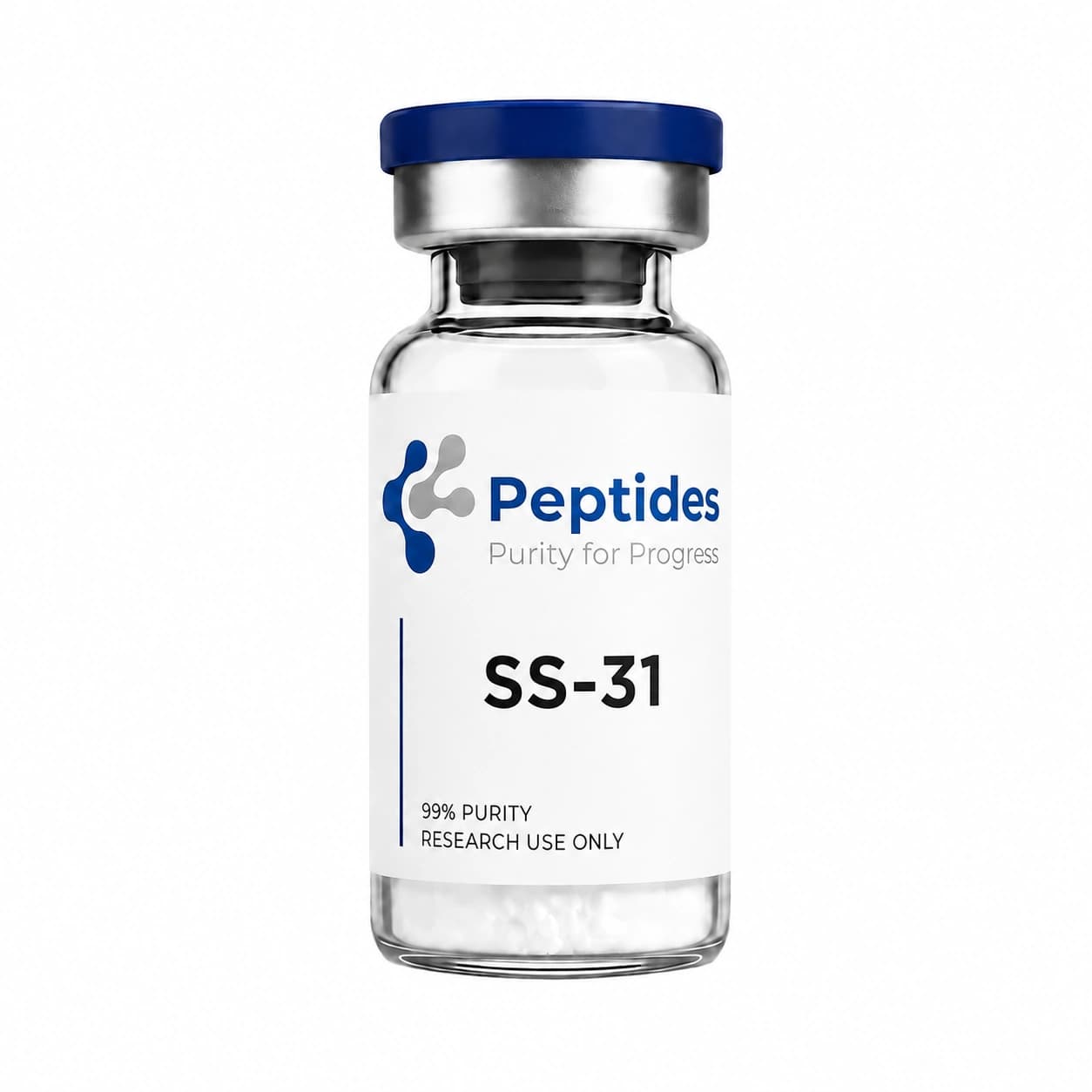
SS-31 (Elamipretide)
Mol. Wt.
639.80 g/mol
Purity
≥98%
CAS No.
736992-21-5
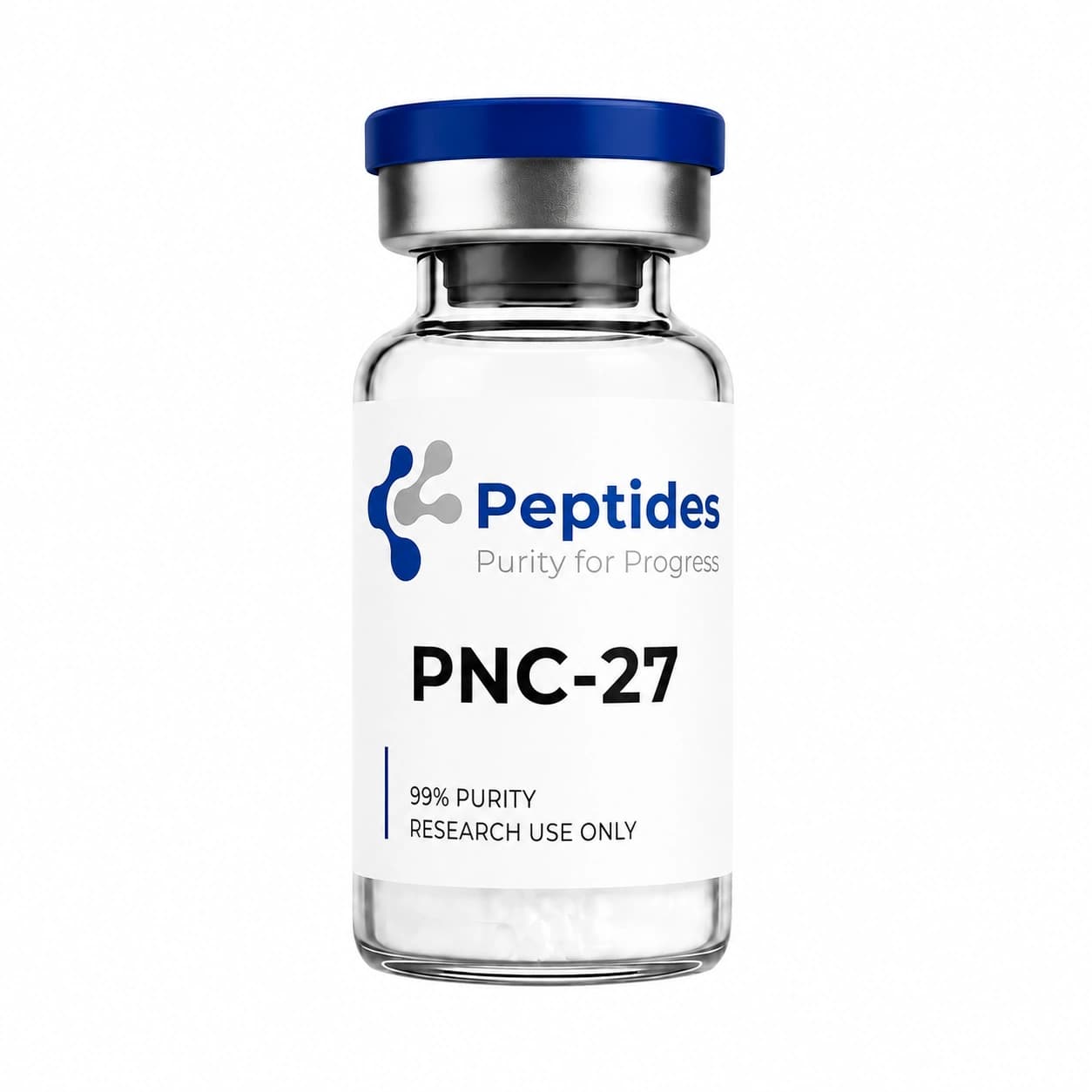
PNC-27
Mol. Wt.
4,031.72 g/mol
Purity
≥98%
CAS No.
N/A (novel chimeric research peptide)
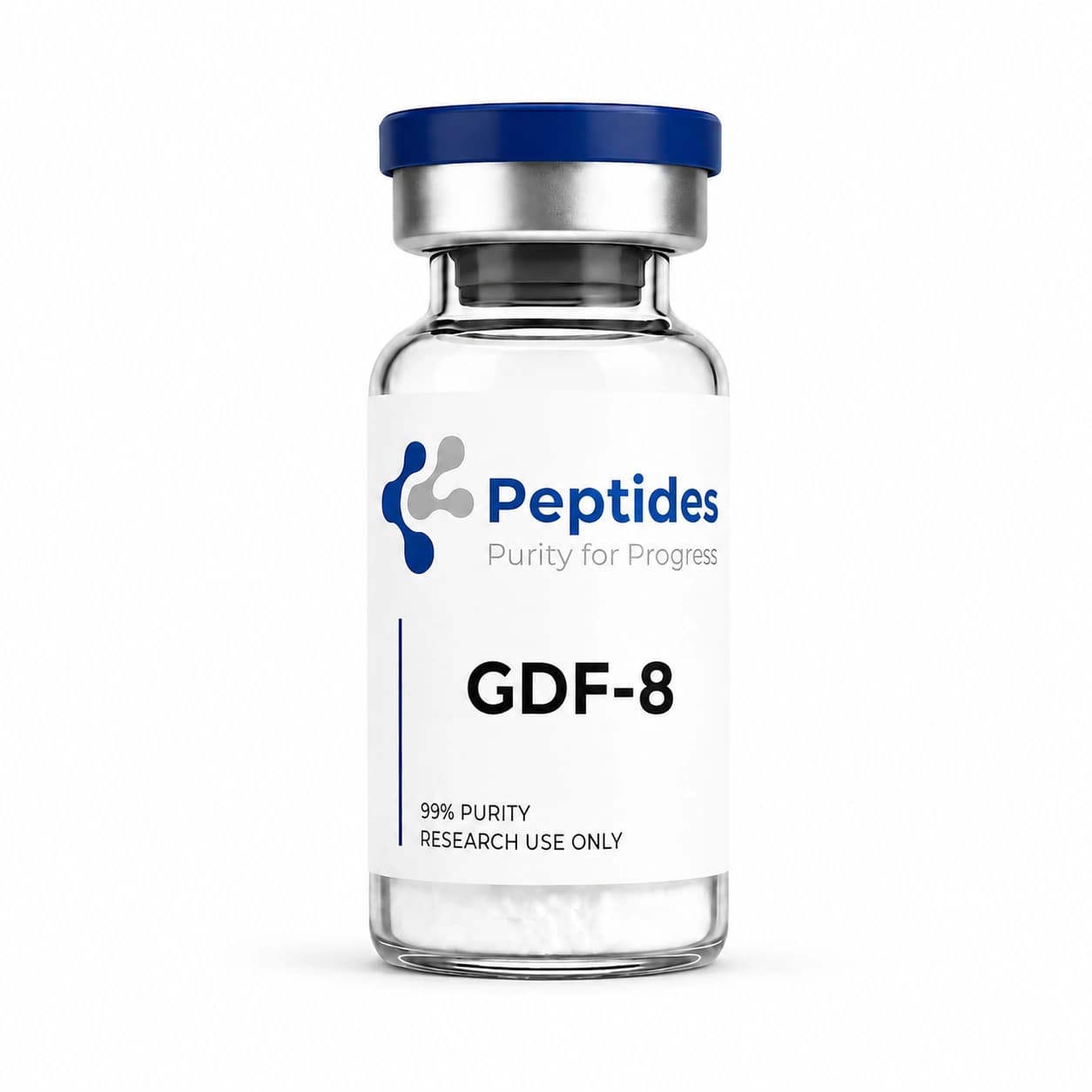
GDF-8 (Myostatin)
Mol. Wt.
~25,000 g/mol (mature monomer); ~52,000 g/mol (active dimer)
Purity
≥98%
CAS No.
152918-18-8
Select Size
Quality Guaranteed
Every batch is HPLC-tested to ≥98% purity. Certificate of Analysis and SDS available on request.