
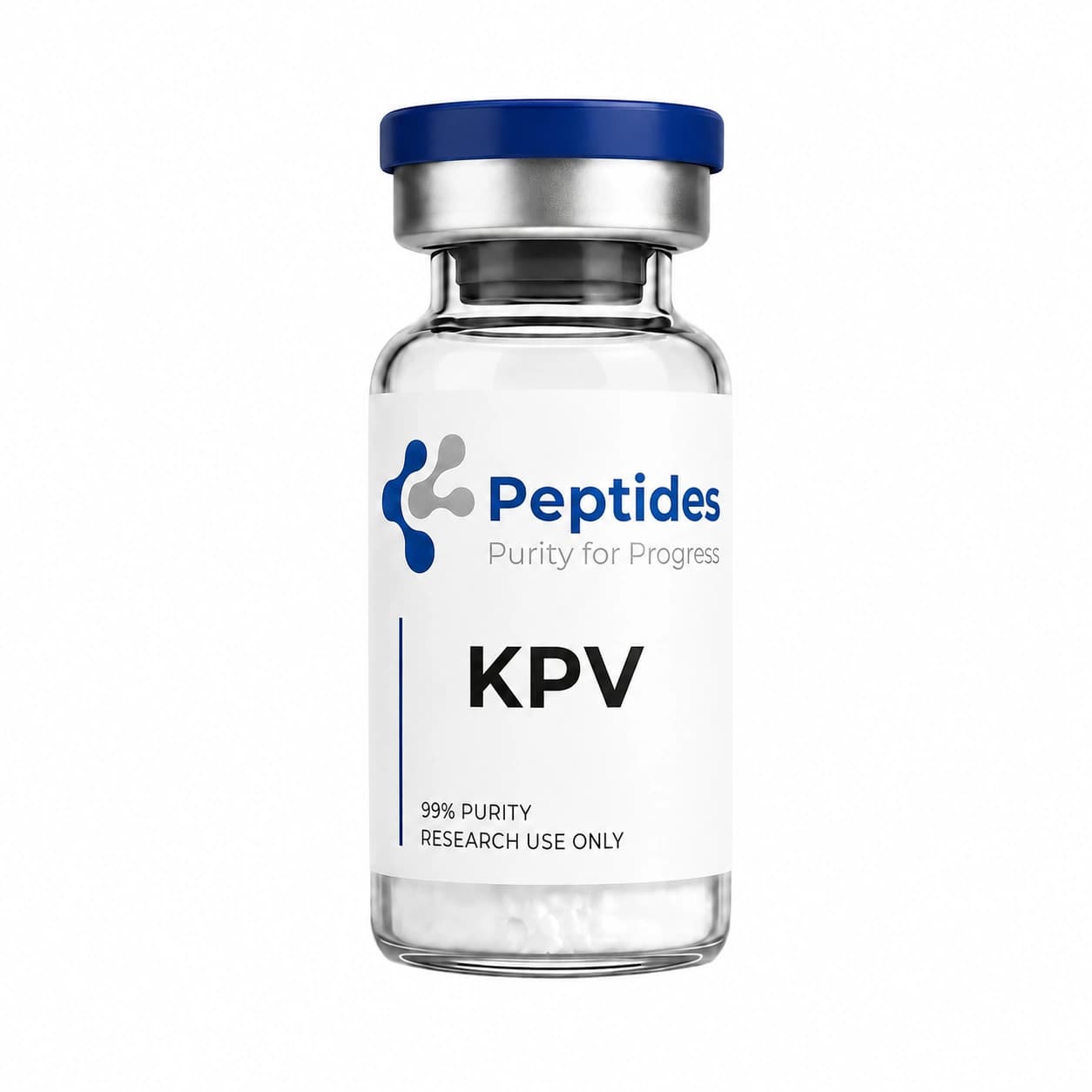
Buy KPV Research Peptide
KPV is available as a lyophilised powder, independently HPLC and MS-UPLC tested to ≥98% purity.
Buy KPV Research Peptide
KPV is available as a lyophilised powder, independently HPLC and MS-UPLC tested to ≥98% purity.
HPLC Verified
≥98% purity
Lyophilised
Powder format
Express Shipping
Cold-chain included
COA Available
Every batch
HPLC Verified
≥98% purity
Lyophilised
Powder format
Express Shipping
Cold-chain included
COA Available
Every batch
Same or Next Day Dispatch
Order before 12pm GMT for same-day dispatch; after 12pm ships next business day
Same or Next Day Dispatch
Order before 12pm GMT for same-day dispatch; after 12pm ships next business day
What is KPV?
A synthetic three-amino-acid peptide taken from the tail end of the hormone alpha-MSH, KPV is studied for its anti-inflammatory effects, particularly in the gut. Research focuses on how it dampens inflammatory signalling without the pigment-related effects of the full hormone.
- Studied for its anti-inflammatory signalling in gut-tissue models.
- Investigated in vitro for its modulation of inflammatory pathways.
- Examined for activity without the pigmentary effects of full alpha-MSH.
- Used as a research tool to study intestinal inflammation models.
For research use only. Not intended for human use.
Representing the minimal C-terminal tripeptide fragment of alpha-melanocyte-stimulating hormone, KPV has attracted preclinical attention for its activity in signalling pathways distinct from classical melanocortin receptor engagement. Also designated Alpha-MSH(11-13), carries the molecular formula C20H34N6O5 and a molecular weight of 438.52 g/mol. Its sequence Lys-Pro-Val comprises the final three residues of the alpha-MSH tridecapeptide. Produced via solid-phase peptide synthesis.
In vitro studies using NF-kB luciferase reporter systems have investigated whether Alpha-MSH(11-13) modulates inflammatory transcription factor activation through direct intracellular uptake and nuclear translocation rather than cell-surface receptor engagement. In vivo rodent models have examined the biodistribution of radiolabelled KPV to determine whether the tripeptide accumulates in tissues with high inflammatory signalling burden.
Manufactured in a quality-controlled laboratory to a guaranteed purity of 98% or above. Every batch undergoes independent third-party testing using HPLC and MS-UPLC analysis before dispatch. Vials are vacuum sealed and stored in a temperature-controlled, monitored cold storage system. A batch-specific Certificate of Analysis is available on request.
Sold strictly for in vitro research purposes only. Not for human consumption. Intended for use by qualified researchers in laboratory settings only.
Scientific Review

Scientific review
Dr. Cristina Cosi
Scientific Contributor and Reviewer
Currently under review
View credentials ›What Researchers Say
Sign in to leave a reviewNo reviews yet. Be the first to share your research experience.
Frequently Asked Questions
Related Compounds
TB-500
Mol. Wt.
4963.4 g/mol
Purity
≥99%
CAS No.
885340-08-9
BPC-157
Mol. Wt.
1,419.55 g/mol
Purity
≥98%
CAS No.
137525-51-0
LL-37
Mol. Wt.
4,493.34 g/mol
Purity
≥98%
CAS No.
154947-66-7
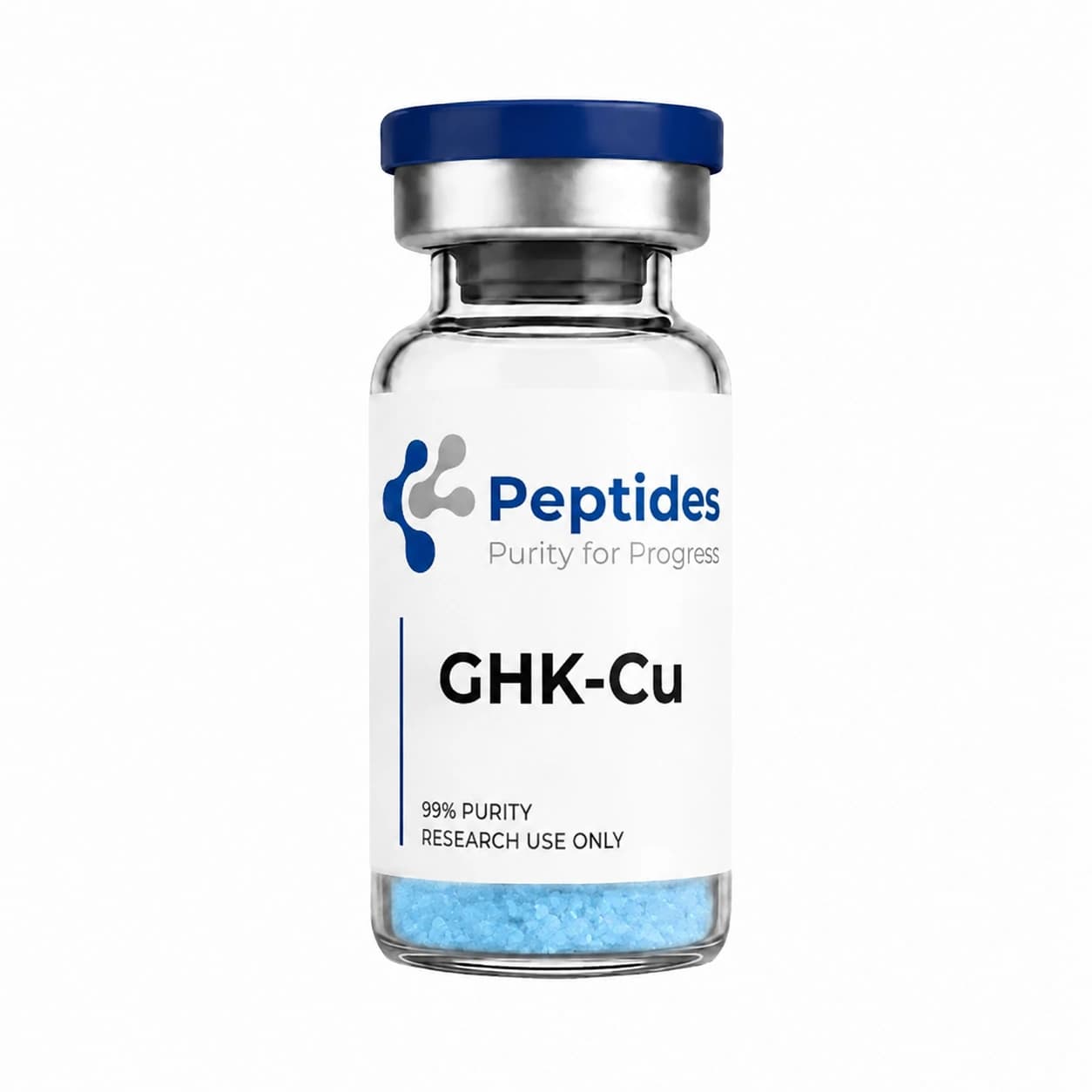
GHK-Cu (Copper Peptide)
Mol. Wt.
403.91 g/mol
Purity
≥98%
CAS No.
89030-95-5
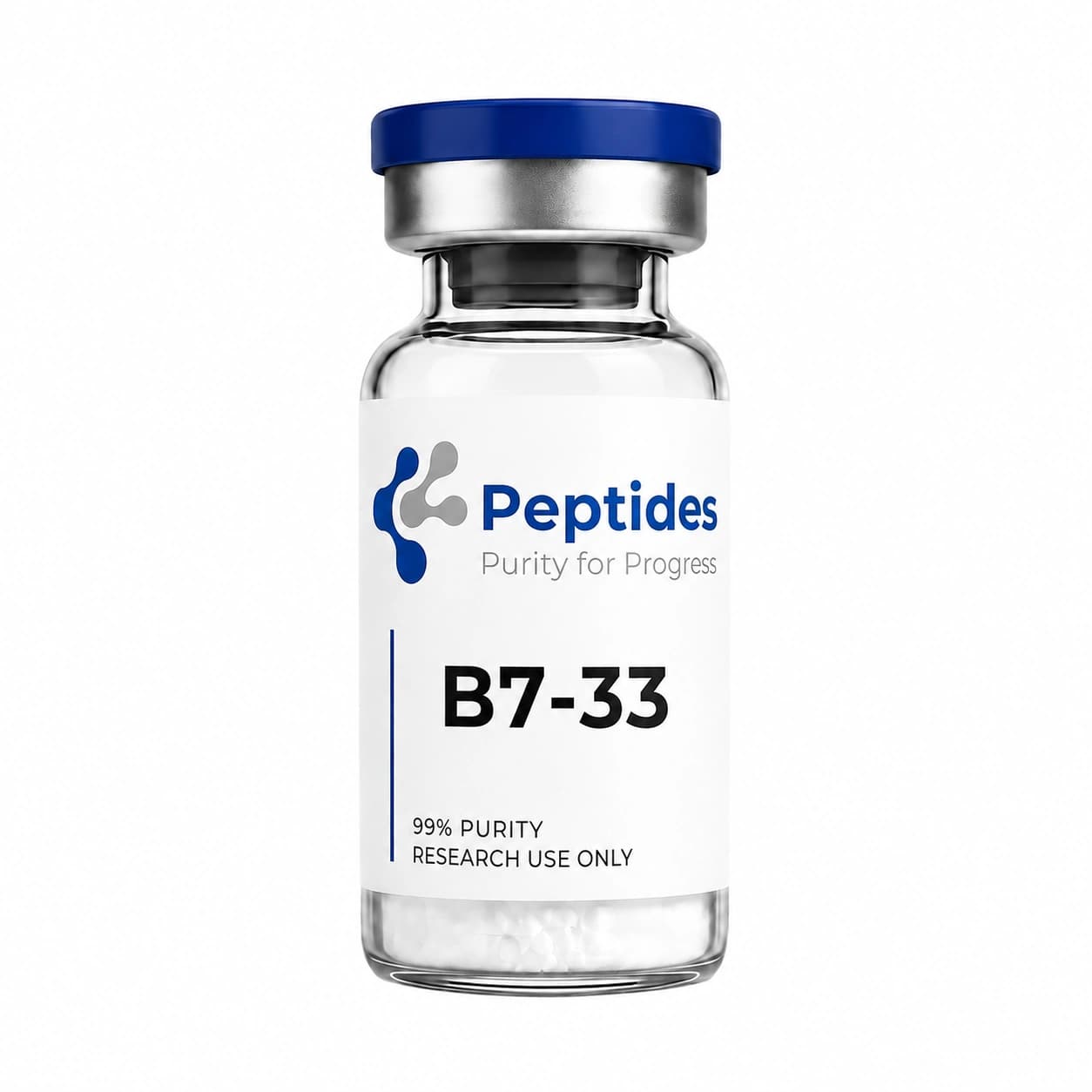
B7-33
Mol. Wt.
2,987.75 g/mol
Purity
≥98%
CAS No.
N/A (novel synthetic analogue)
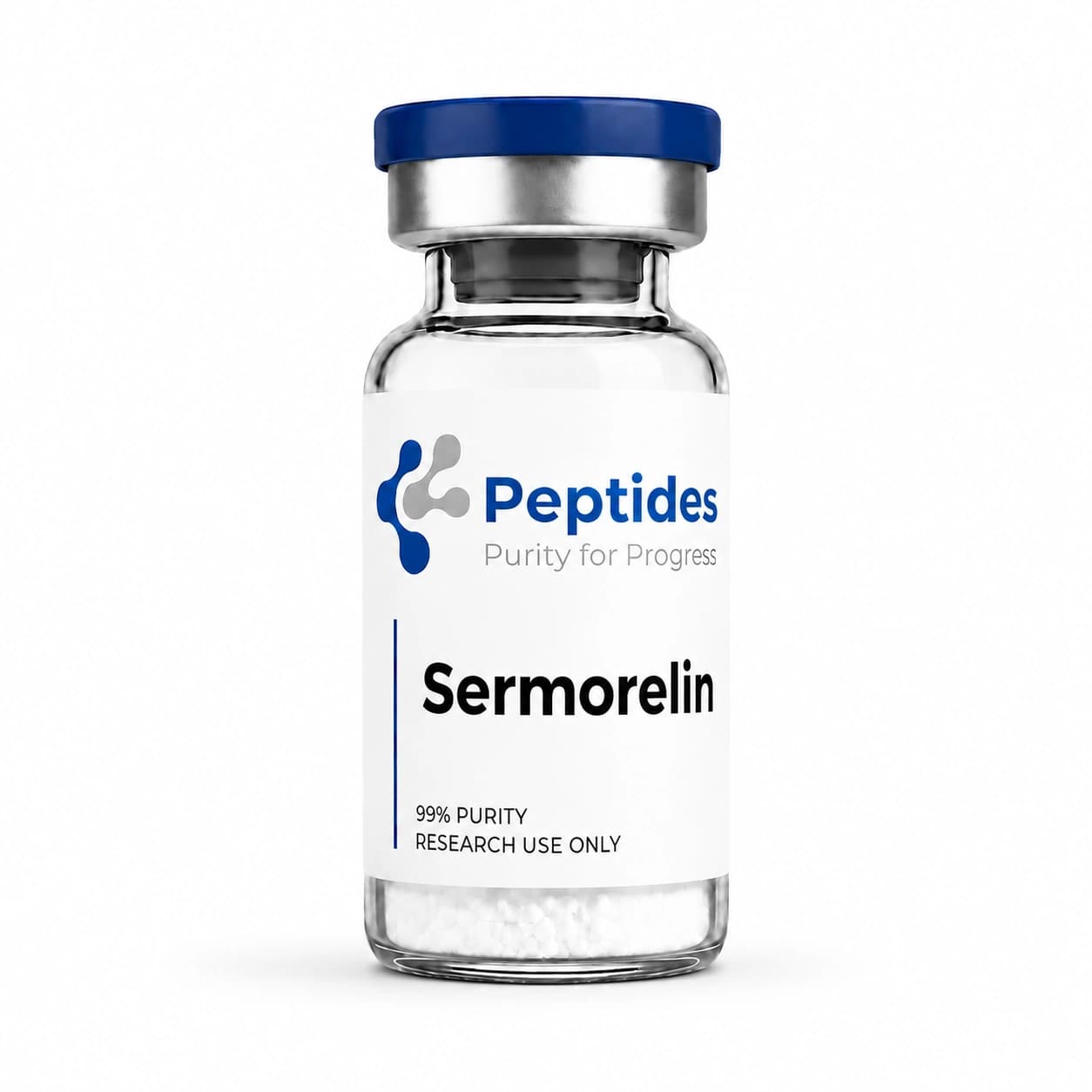
Sermorelin
Mol. Wt.
3,357.93 g/mol
Purity
≥98%
CAS No.
86168-78-7
Select Size
Quality Guaranteed
Every batch is HPLC-tested to ≥98% purity. Certificate of Analysis and SDS available on request.